
Expert Tips for Moving Pianos and Large Instruments Safely


Understanding the Challenges of Moving Large Instruments
Moving pianos and other large instruments is no small feat. These items are not only heavy but also delicate, requiring special care and precision. Whether you’re relocating a grand piano or a drum set, understanding the challenges involved is essential for a smooth transition.
The weight and size of these instruments mean they can't be handled like standard furniture. Special equipment and techniques are often required to avoid damage to both the instrument and your property.
Preparing for the Move
Gather the Right Tools
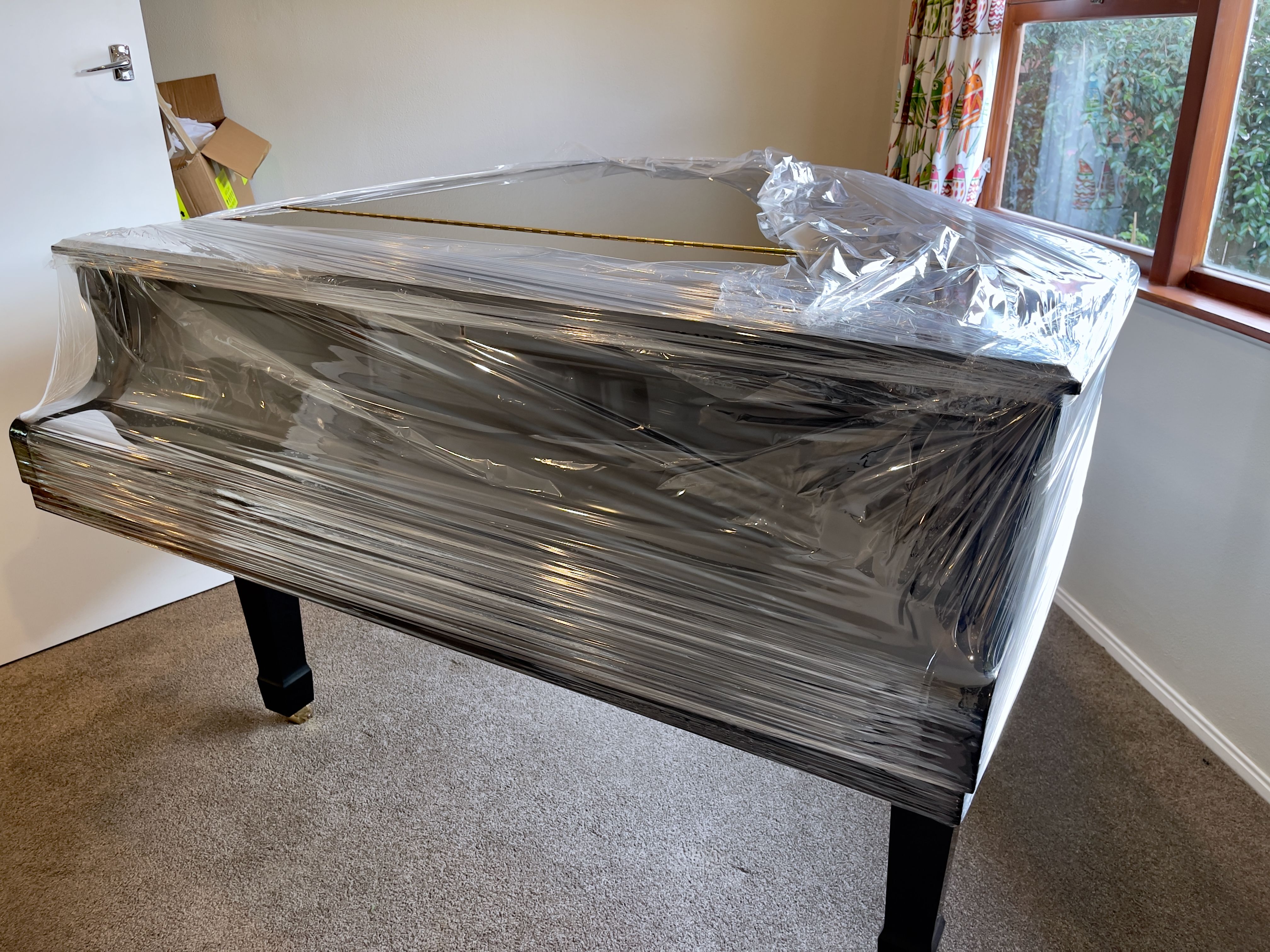
Before attempting to move any large instrument, gather the necessary tools. This might include moving blankets, dollies, straps, and padding. These items help protect the instrument and make the moving process more manageable.
Assess the Pathway
Carefully assess the route you will take when moving the instrument. Measure doorways, hallways, and staircases to ensure the instrument can pass through without issues. Remove obstacles and protect walls and floors as needed.
Techniques for Safe Moving
Disassemble When Possible
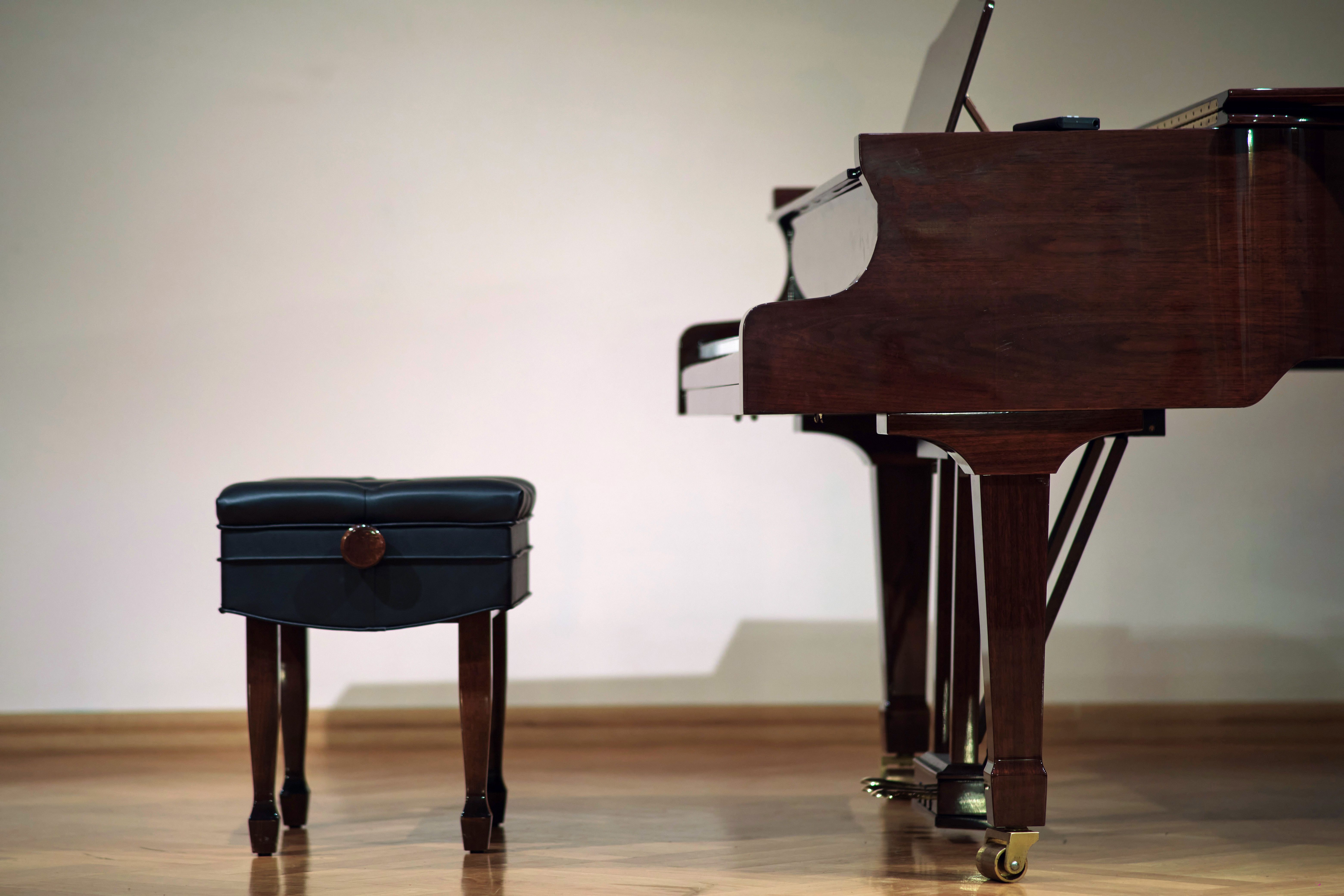
If the instrument can be safely disassembled, do so to ease the moving process. Remove any detachable parts, such as piano legs or music stands, and pack them separately. This reduces weight and minimizes the risk of damage.
Use Proper Lifting Techniques
When lifting, always bend at the knees and keep your back straight. Use straps or a dolly to distribute weight evenly. If possible, enlist the help of professional movers who have experience with large instruments.

Ensuring the Instrument's Safety
Secure During Transport
Once loaded onto a vehicle, ensure the instrument is secured with straps to prevent movement during transit. Use padding to protect against bumps and vibrations. This is crucial to maintain the instrument's integrity.
Climate Considerations
Be mindful of temperature and humidity changes, as these can affect the instrument’s materials. Plan the move during a time of day when temperatures are moderate, and avoid leaving the instrument in a vehicle for extended periods.
Post-Move Care
After the move, inspect the instrument for any signs of damage. If you've moved a piano, it may need to be retuned, as the move can affect its sound. Similarly, check that all parts are reassembled correctly and securely.
Taking the time to properly move and care for your instrument ensures it remains in excellent condition, allowing you to continue enjoying its music for years to come.